Maintaining a safe, healthy, and comfortable property requires vigilance against one of the most persistent threats to homes and businesses: pests. From rodents and insects to termites and other unwelcome invaders, pests can cause significant damage to structures, contaminate food, and pose health risks to residents and employees.
For property owners, professional Pest Control Fort Pierce services are essential not only for eliminating existing infestations but also for implementing preventive measures that protect against future problems. With year-round protection, property owners can safeguard their investments, maintain hygiene, and ensure peace of mind.
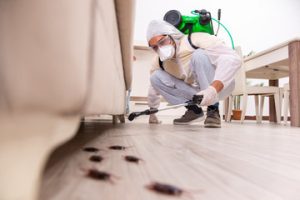
Understanding the types of pests that may affect a property is critical for effective management. Common pests include ants, cockroaches, termites, rodents, bed bugs, and spiders, each of which presents unique challenges. For instance, termites can compromise the structural integrity of a building by consuming wood from the inside, often going undetected until severe damage occurs. Rodents, including rats and mice, reproduce rapidly, contaminate food supplies, chew through wiring, and transmit diseases. Insects such as cockroaches and ants not only cause discomfort but can also trigger allergies and asthma in sensitive individuals. Identifying the types of pests present allows professional pest management teams to develop targeted strategies that address both immediate threats and long-term prevention.
Professional pest management services focus on a comprehensive approach that combines inspection, treatment, and prevention. The first step is a detailed property inspection, where experts evaluate signs of infestation, identify pest species, and locate entry points or environmental factors contributing to the problem. These inspections often uncover hidden activity that homeowners or business operators might overlook, such as termite damage inside walls or rodent nests in attics or crawl spaces. By thoroughly assessing the property, pest management professionals can develop an effective, customized plan that addresses both visible and hidden threats.
Once an inspection is completed, the next phase involves the targeted treatment of infestations. Treatment methods vary depending on the type of pest, the severity of the problem, and the specific conditions of the property. For termites, solutions may include soil treatments, baiting systems, or direct wood applications to eliminate colonies and protect structural components. Rodent control often combines mechanical traps, exclusion techniques, and safe baiting methods to reduce populations and prevent re-entry. Insect infestations, such as cockroaches, ants, and bed bugs, are addressed through a combination of residual sprays, baits, heat treatments, and monitoring devices to ensure complete eradication. Professional application of these treatments ensures safety for occupants while maximizing the effectiveness of the solution.
Preventive measures are a key component of year-round pest management. While eliminating existing pests is crucial, preventing new infestations is equally important for maintaining long-term property protection. Preventive strategies may include sealing gaps and cracks in walls and foundations, installing door sweeps, maintaining proper sanitation and food storage practices, and addressing moisture issues that attract pests. Landscaping and yard maintenance can also influence pest activity, as overgrown vegetation or standing water can harbor insects and rodents. By integrating preventive measures into routine property maintenance, pest management professionals can significantly reduce the likelihood of recurring infestations.
Integrated pest management (IPM) is a widely recognized and highly effective approach employed by professional pest management services. IPM combines multiple strategies, including monitoring, identification, prevention, and treatment, to achieve sustainable pest control with minimal use of chemicals. For example, monitoring traps and sensors allow experts to detect early signs of pest activity, while mechanical barriers and exclusion methods prevent access to vulnerable areas. When chemical intervention is necessary, targeted and environmentally responsible products are applied to minimize impact on occupants and pets. IPM emphasizes long-term solutions rather than temporary fixes, making it an ideal approach for both residential and commercial properties seeking year-round protection.
Regular inspections and maintenance schedules are vital for ongoing pest management. Just as homeowners schedule routine maintenance for plumbing, HVAC systems, or landscaping, scheduling periodic pest inspections helps detect and address issues before they escalate. Professional services often include recurring monitoring visits, treatments, and preventive care to ensure continuous protection. Early detection and consistent maintenance reduce the risk of severe infestations, costly property damage, and health hazards, making pest management a proactive rather than reactive process.
Rodents are one of the most common and destructive pests encountered in properties. Their rapid reproduction, tendency to gnaw on structural components, and ability to spread diseases make them a significant concern. Effective rodent management involves identifying entry points, sealing access routes, and employing traps or baits to control populations. Professionals also provide advice on waste management and property maintenance to minimize factors that attract rodents. Through comprehensive rodent control, property owners can prevent structural damage, contamination, and health risks associated with these persistent pests.
Termites represent another serious threat to property owners, often causing extensive damage before being detected. Professional termite management services utilize a combination of soil treatments, baiting systems, and wood treatments to eliminate colonies and protect buildings. Regular inspections are critical for early detection, as termite activity can remain hidden within walls, flooring, or structural supports. By addressing termite problems proactively, property owners safeguard the structural integrity of their investments and prevent the high costs associated with untreated infestations.
Insects such as ants, cockroaches, and bed bugs also require specialized attention. Cockroaches are carriers of pathogens that can cause food contamination and trigger allergic reactions, while ants can infiltrate kitchens, food storage areas, and even structural components. Bed bugs pose unique challenges due to their ability to hide in tiny crevices, reproduce quickly, and survive for extended periods without feeding. Professional management services provide targeted treatments, heat applications, residual sprays, and monitoring programs to eliminate these pests effectively. Homeowners and businesses benefit from professional expertise that ensures thorough eradication and prevents reinfestation.
Education is another valuable aspect of professional pest management. Experts guide property owners on best practices for maintaining a pest-free environment, including proper sanitation, waste disposal, and regular inspections of both interior and exterior areas. Understanding the habits and life cycles of pests allows occupants to recognize early warning signs and take preventive measures. This combination of professional treatment and informed property management creates a comprehensive approach that maximizes protection against pests throughout the year.
Choosing environmentally responsible solutions is increasingly important for homeowners and businesses. Modern pest management services emphasize safe, eco-friendly products and application methods that minimize exposure to harmful chemicals. By employing targeted treatments, low-toxicity products, and sustainable practices, professionals protect both occupants and the surrounding environment while effectively controlling pest populations. This balanced approach ensures that pest management aligns with health and environmental considerations without compromising effectiveness.
A year-round pest management strategy also involves seasonal planning. Different pests are more active during specific times of the year, and professionals adjust treatment and prevention programs accordingly. For instance, termites are often more active during warmer months, while rodents seek shelter indoors during winter. Seasonal inspections, preventive treatments, and habitat modifications help ensure continuous protection, adapting strategies to the behavior and activity cycles of pests. This proactive, year-round approach minimizes risks and reduces the likelihood of sudden infestations.
In conclusion, professional pest management services are essential for protecting properties from the risks associated with pests. Through inspection, treatment, prevention, and education, these services provide a comprehensive approach that safeguards both residential and commercial environments. Integrated pest management, targeted interventions, regular maintenance, and seasonal planning ensure that properties remain pest-free throughout the year. By addressing both current infestations and potential vulnerabilities, professional pest management services protect structural integrity, promote hygiene, and enhance the overall safety and comfort of homes and businesses. Engaging experts in pest control not only resolves existing problems but also establishes a proactive strategy that maintains a safe, healthy, and pest-free environment year-round.