Maintaining an efficient HVAC system is critical for property owners, not only to ensure comfort but also to control energy costs. One often overlooked factor in energy efficiency is the cleanliness of air ducts. Air ducts circulate heated or cooled air throughout a building, and when they become clogged with dust, dirt, debris, or mold, the HVAC system must work harder to maintain the desired indoor temperature. Regular Duct Cleaning Salt Lake City improves airflow, reduces strain on the system, and can lead to significant energy cost savings. Understanding the connection between air duct maintenance and energy efficiency helps homeowners and commercial property managers make informed decisions that benefit both comfort and finances.
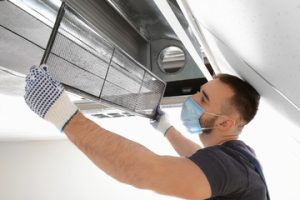
Air ducts are essentially the circulatory system of an HVAC setup. They transport air from the furnace or air conditioner to every room in a building, delivering consistent temperatures throughout the space. Over time, however, dust, pollen, pet hair, and other particles can accumulate inside the ducts. These contaminants reduce airflow, forcing HVAC systems to operate at higher levels to achieve the same temperature control. As a result, the system consumes more energy, increasing utility bills and accelerating wear and tear on key components. Clean air ducts allow air to move freely, enabling the system to work efficiently and reduce energy consumption.
The efficiency impact of dirty air ducts is often underestimated. Studies have shown that clogged ducts can reduce HVAC efficiency by up to 20 percent. This reduction not only drives up energy bills but also increases the likelihood of costly system breakdowns. Homeowners and commercial property managers may notice uneven heating or cooling, longer system run times, or higher energy costs during peak usage periods. Regular cleaning of air ducts restores proper airflow, allowing the system to operate as intended and reducing unnecessary energy expenditure.
One of the primary benefits of air duct cleaning is the improvement in airflow, which directly affects energy efficiency. When ducts are clogged, the HVAC system must generate more pressure to push air through restricted passages. This increased workload requires more electricity or fuel, which translates to higher operating costs. Clean ducts remove these restrictions, enabling the system to circulate air efficiently, maintain consistent temperatures, and operate at optimal capacity. In commercial buildings with extensive duct networks, the difference in efficiency can be particularly pronounced, leading to substantial cost savings over time.
In addition to improving airflow, air duct cleaning can enhance overall HVAC system performance. Dust, debris, and mold in ducts can settle on key components, including coils, fans, and filters, reducing their effectiveness. For instance, contaminated coils in an air conditioner reduce heat transfer efficiency, while clogged fans struggle to move air efficiently. By removing these contaminants during air duct cleaning, the system experiences less strain, operates more efficiently, and maintains consistent comfort levels throughout the building. Improved system performance often translates to reduced energy consumption and longer equipment life.
Energy cost savings from clean air ducts are often measurable over time. Homeowners may notice a reduction in monthly utility bills, particularly during heating and cooling seasons when HVAC systems are in continuous operation. Commercial property managers can also experience significant savings due to the scale of operations and high energy demands. The return on investment from air duct cleaning is further enhanced when combined with routine HVAC maintenance, such as filter replacement, coil cleaning, and thermostat calibration. These coordinated efforts maximize system efficiency and reduce energy waste.
Another factor connecting air duct cleaning to energy savings is the reduction of indoor air pollutants. Dust, pollen, and other debris in ducts can circulate throughout a building, settling on surfaces and forcing occupants to use additional energy-consuming solutions, such as air purifiers or fans. Cleaner ducts reduce the need for supplementary energy use, while also improving indoor air quality and occupant comfort. This indirect energy savings is particularly important in homes with children, elderly individuals, or individuals with respiratory sensitivities, as well as in commercial spaces with high occupancy rates.
The benefits of air duct cleaning extend beyond energy efficiency and cost savings. Well-maintained ducts reduce the likelihood of system malfunctions or breakdowns caused by accumulated debris. When HVAC systems operate under less strain, major repairs are less frequent, and equipment lifespan is extended. This preventative aspect of air duct cleaning translates to additional financial savings, as property owners can avoid emergency repairs or premature replacement of HVAC components. In commercial buildings, this reliability also supports operational continuity and minimizes disruptions for employees, customers, or tenants.
Energy savings are particularly significant in older buildings with legacy HVAC systems. Ductwork in older homes or commercial spaces may have accumulated decades of dust, dirt, and other debris, significantly reducing system efficiency. Regular cleaning in these properties can result in noticeable improvements in airflow and energy performance. Newer buildings with modern HVAC systems also benefit, although the effect may be less dramatic due to cleaner, more efficient designs. Regardless of age, air duct cleaning remains a valuable maintenance practice for optimizing energy use.
Property owners can further enhance energy efficiency by combining air duct cleaning with other practices. Regular filter replacement is critical, as clogged filters restrict airflow and increase system workload. Sealing leaks in ductwork prevents air loss, ensuring that heated or cooled air reaches intended areas without waste. Maintaining proper insulation around ducts and the HVAC system also reduces energy loss. By integrating these measures with professional air duct cleaning, property owners can maximize energy savings and improve overall system performance.
Understanding the frequency of air duct cleaning is key to maintaining energy efficiency. Most experts recommend cleaning every three to five years for standard residential systems, although properties with pets, smokers, or high dust exposure may require more frequent cleaning. Commercial properties with high occupancy, heavy foot traffic, or specific regulatory requirements may need cleaning on a more regular schedule, sometimes annually or semiannually. By evaluating property usage patterns, environmental conditions, and system performance, property owners can develop a customized cleaning schedule that optimizes both energy efficiency and indoor air quality.
The process of professional air duct cleaning involves several steps that contribute to energy savings. Technicians typically begin by inspecting the system to identify dust accumulation, blockages, or potential damage. Industrial vacuums, rotary brushes, and pressurized air tools are then used to remove debris from the duct network, registers, and vent openings. Some services include sanitization treatments to prevent mold and bacterial growth, further improving airflow and system efficiency. Proper documentation of the cleaning process ensures that property owners can track improvements in energy performance over time.
Preventive measures complement air duct cleaning and contribute to energy cost savings. Minimizing dust entry into the building through regular vacuuming, door mats, and controlled entry points reduces the accumulation of particles in the ducts. Routine maintenance, such as coil cleaning, thermostat calibration, and system inspections, ensures that HVAC equipment operates efficiently alongside clean ducts. Together, these practices create a comprehensive strategy for maximizing energy efficiency, reducing operating costs, and maintaining consistent indoor comfort.
The financial impact of improved energy efficiency through air duct cleaning is measurable over time. Even a modest improvement in system efficiency can reduce electricity or gas bills, particularly in areas with extreme seasonal temperatures that require extensive heating or cooling. Commercial buildings benefit on a larger scale, as small percentage improvements in energy efficiency can translate into thousands of dollars in annual savings. Additionally, energy-efficient operation reduces the environmental impact by lowering overall energy consumption and carbon emissions, making duct cleaning an environmentally responsible choice as well.
In conclusion, air duct cleaning is a critical maintenance practice that directly influences energy efficiency and cost savings. Dirty ducts reduce airflow, increase system strain, and elevate energy consumption, while clean ducts restore optimal performance and reduce utility expenses. Property owners, both residential and commercial, benefit from improved indoor air quality, enhanced comfort, and extended HVAC lifespan. Combining regular air duct cleaning with preventive maintenance practices—such as filter replacement, duct sealing, and system inspections—maximizes energy efficiency and supports sustainable, cost-effective property management.
By understanding the connection between clean air ducts and energy cost savings, property owners can make informed decisions about maintenance schedules, professional services, and investment in system longevity. Prompt, regular cleaning improves system performance, reduces energy waste, and contributes to long-term financial savings. In an era of rising energy costs and increased emphasis on sustainability, air duct cleaning offers a practical, measurable, and essential solution for optimizing both comfort and efficiency in any property.